
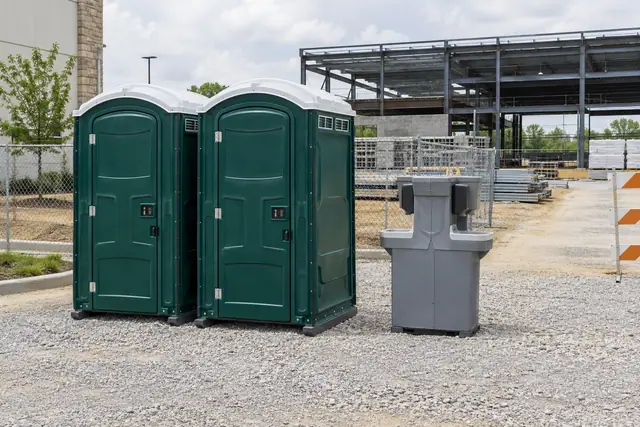
Plan the equipment as part of the working layout
Describe the crew, use period and actual bathroom functions needed. Ask the provider about the offered cabin and personal-washing arrangement, including any relevant access features. The supervisor should understand the proposed position and care requirements so the toilet area is not treated as spare space available for whatever arrives next.
Keep material staging from taking over the approach
A pallet, parked work vehicle or newly delivered fixture can obstruct the user route even when the cabin itself has not moved. Include the toilet and washing area in ordinary site coordination. If a planned delivery conflicts with that area, have the responsible site contact review the alternatives with the equipment provider before it blocks use or servicing.
Report a layout problem rather than improvising a move
Tell the supervisor and provider what has changed and which function or access is affected. Do not use site machinery to reposition hired sanitation equipment without the provider’s accepted arrangement. Keep any interim facility directions accurate, and avoid presenting a blocked or unavailable unit as ready simply because it remains physically present at the address.
Maintain the arrangement through care and collection
Confirm who keeps the agreed approach available and how the supplier will be admitted for professional servicing. Review supplies and report observed issues promptly through the accepted process. Include collection in the site’s final material movements so the end of the project does not leave rented equipment isolated behind stored items or a changed boundary.
Questions before you book
What if a materials delivery blocks the toilet area?
Report the actual obstruction to the responsible site contact and provider. Review a suitable arrangement rather than moving hired equipment yourself or directing workers through an unsuitable route.