
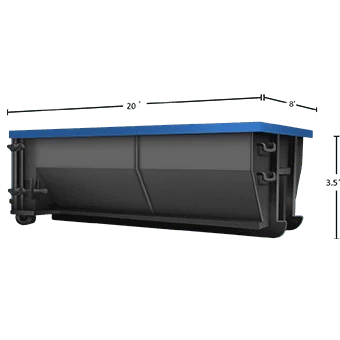
Describe the material before choosing the container
Explain whether the load involves household contents, packaging, building debris or another stream. Identify heavy and unusual items separately and ask about acceptance before loading. A project label does not tell the provider everything it needs to know, and the amount of empty container space is not the only consideration for the actual material.
Keep ordinary collection and project hauling distinct
Yuma’s municipal collection information separates ordinary cart service from other material pickups. Its published code also treats roll-on/roll-off collection as a distinct category. Do not take either fact as approval for every material, collector or placement. Request an address-specific proposal and keep the applicable property and receiving requirements visible in the discussion.
Match the container to the loading work
Explain who will load the accepted debris and how the work proceeds. Review the actual container, loading limits and supplier approach without assuming a rental includes people to carry, sort or dismantle items. Keep property intended for reuse or separate handling outside the ordinary load until an appropriate arrangement has been confirmed.
Arrange collection through the actual provider
Confirm the agreed hire period, collection process and relevant responsibilities before the container is used. Report a change in the material or project scope before loading unreviewed items. Where workers also need temporary bathrooms, describe their toilet and washing requirements separately; sanitation equipment and its contents are not part of a general cleanup-container order.
Questions before you book
Can all household rubbish and project materials be treated as the same load?
No. Describe the actual streams and ask the eligible provider about accepted materials and the applicable arrangement before loading.