
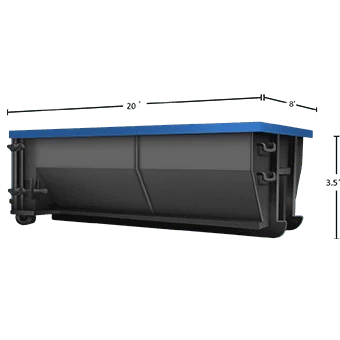
Choose equipment around the material and work
Describe the debris, approximate amount and loading period, including heavy or unusual items needing separate assessment. Ask about the actual container offered and its loading method. Do not assume a product name guarantees a particular size, door arrangement or accepted material list across all providers.
Keep everyday property access in the decision
A driveway or service area may also be needed by residents, workers, deliveries or another contractor. Tell the property representative and provider how that space is used before choosing the container position. A location convenient for one day’s loading can be unsuitable for the rest of the hire if it leaves no practical accepted access for the property.
Plan changes with the provider rather than around it
If the work sequence or access needs change, discuss the actual conflict before attempting to shift the container. Ask whether collection, a different accepted position or another reviewed arrangement is appropriate. Do not treat a roll-off as ordinary movable storage that the property team can relocate using its own equipment.
Protect the agreed collection approach
Keep the relevant area available for the provider and arrange removal of accepted debris through its process. Report a materially changed load before collection instead of adding items outside the accepted scope. The City’s distinction between roll-off and ordinary collection does not replace review of the actual provider, property and materials for your job.
Questions before you book
Can we move the roll-off when another contractor needs the driveway?
Contact the provider and property representative to review the conflict. Do not move hired equipment yourself or assume the original collection arrangement will work from another position.